The 2026 Tidal Shift Award Winners!
Featured
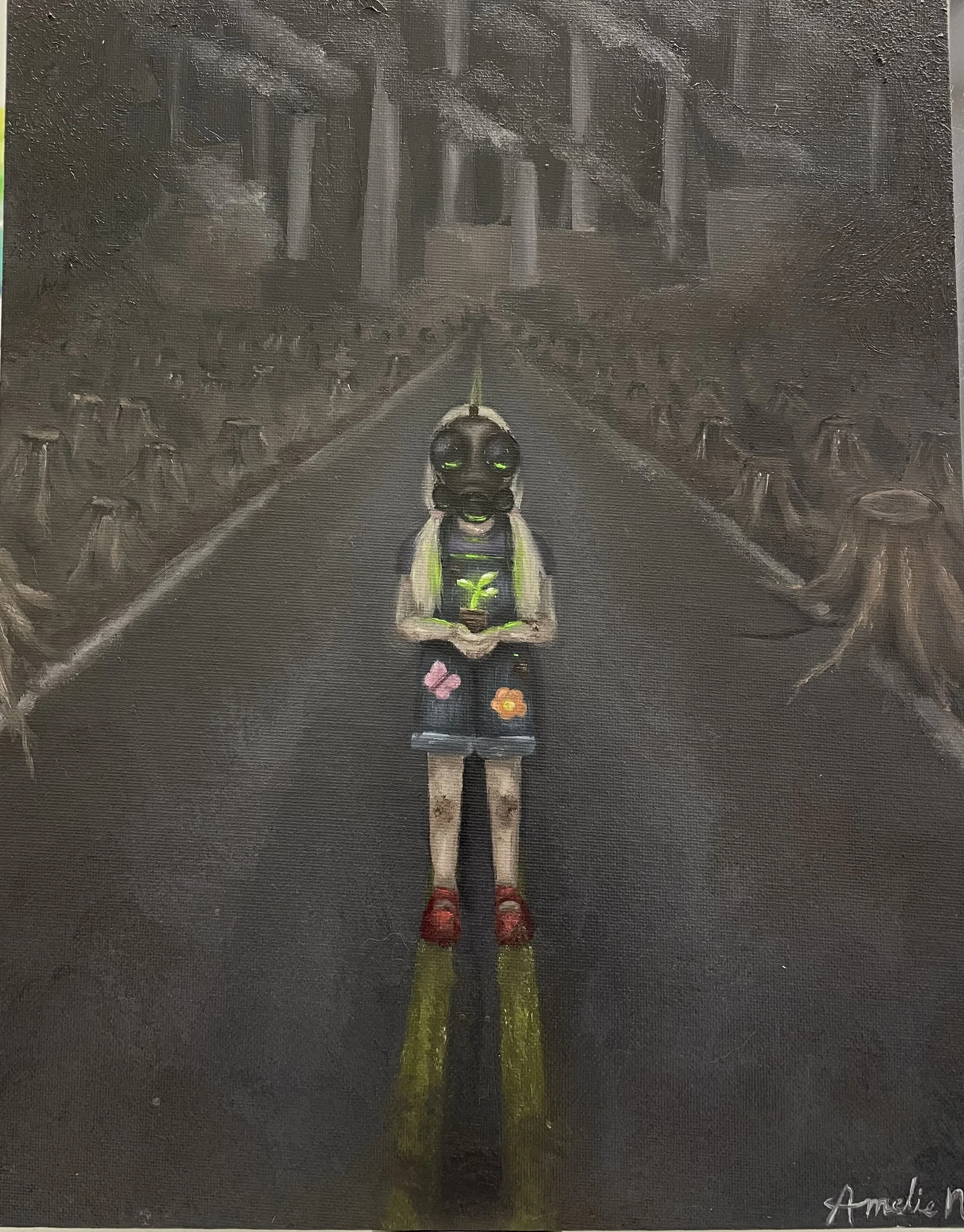

Oil on canvas. Harrison, OH. Division I: 14–18 Years Old.
This painting is meant to symbolize how the next generation will inherit a world that is not stable enough to support them due to climate change and the actions of humans. I want people to feel a sense of urgency.
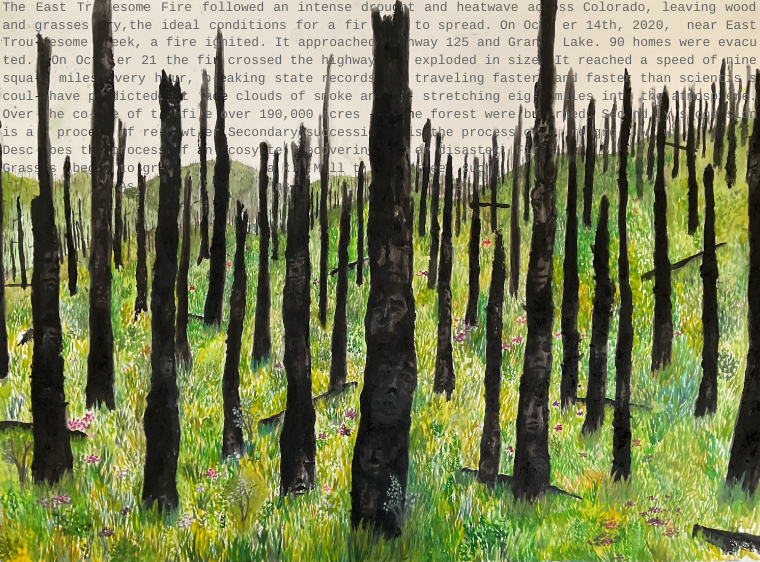
Watercolor and ground burnt wood mixed with glue on paper, projection. Richmond, VA. Division I: 14–18 Years Old.
After hiking through a wildfire scar in Colorado left by the East Troublesome Fire of 2020, the fastest moving wildfire in state history, I was astonished by the contrast of the beautiful regrowing grasses and the gruesome burnt trees. The fire, the result of a record-breaking drought, became a symbol for me of the destruction and violence of climate change, but also a symbol of hope and regrowth.
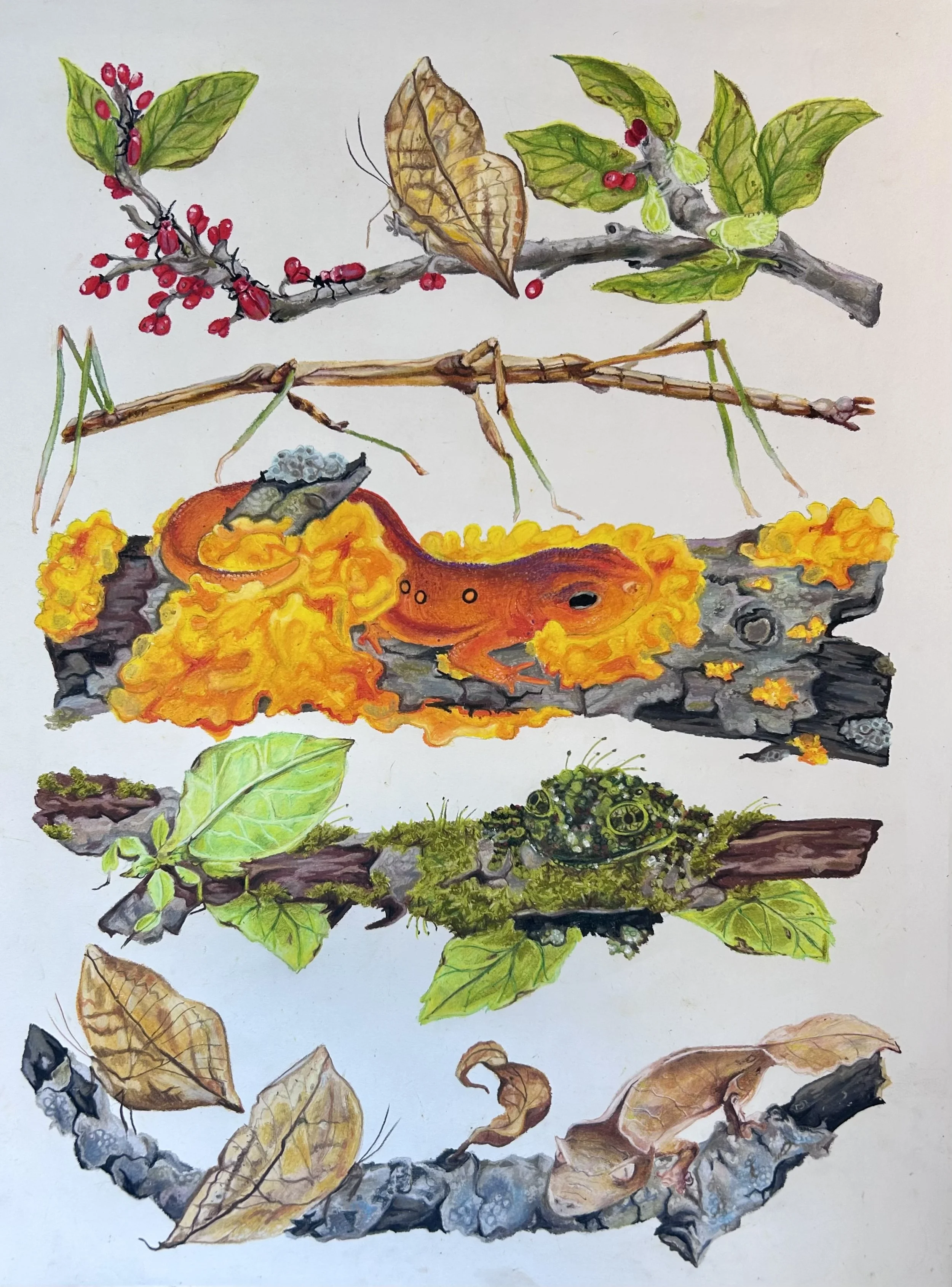
Color pencil and oil pastel on paper. Pittsburgh, PA. Division I: 14–18 Years Old.
This work shows the more hidden creatures of this world; the ones that are often overlooked. Each species represented is heavily affected by habitat loss as a result of climate change. These animals’ habitats are important to their survival as they use camouflage for protection.
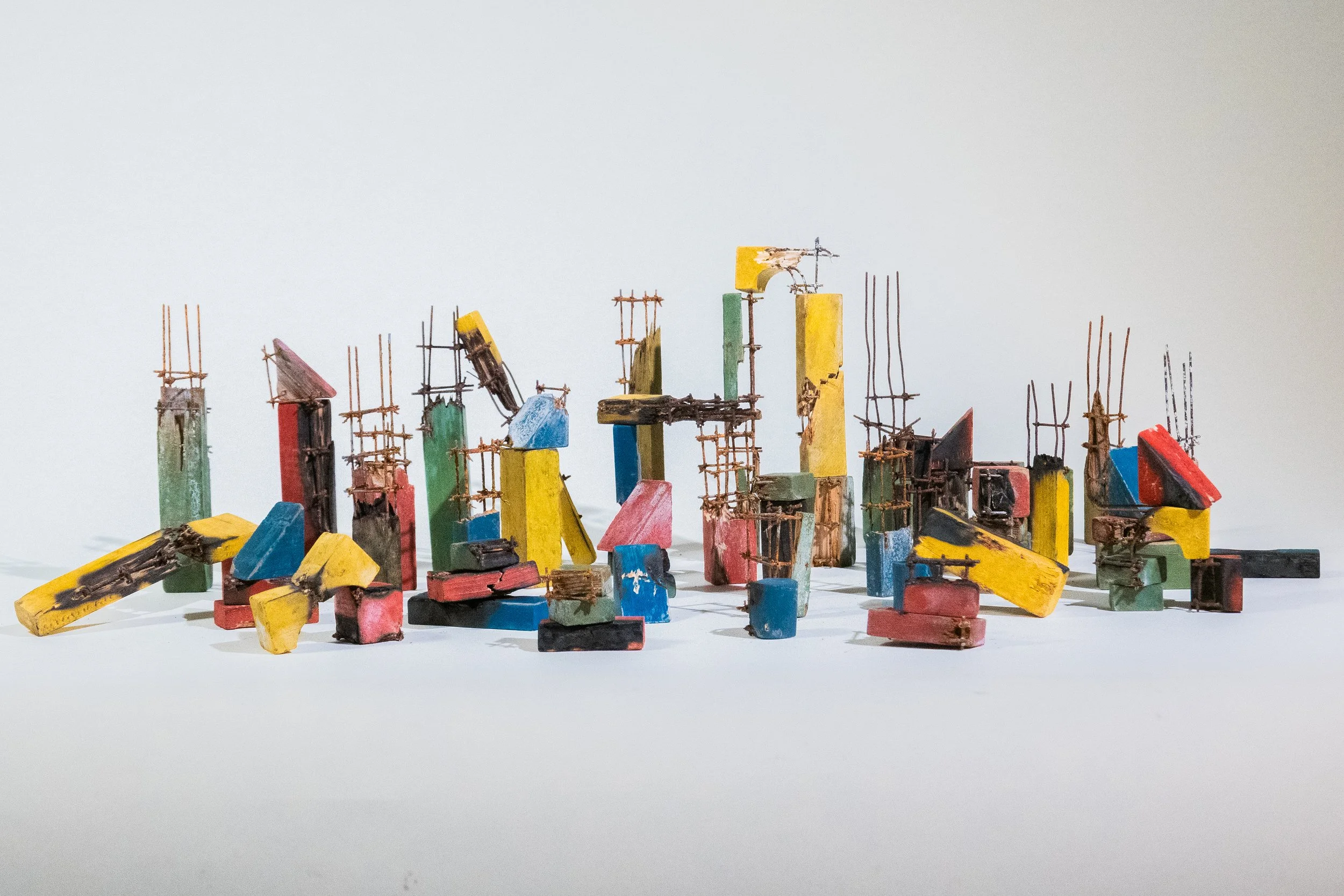
Sixty-three recycled block toys, iron flower wire, salt. Geneva, NY. Division II: 19–22 Years Old.
This toy was designed to raise awareness through play about the profound impact natural disasters are having on childhoods today. I grew up in Costa Rica, where I witnessed an increasing number of environmental imbalances.
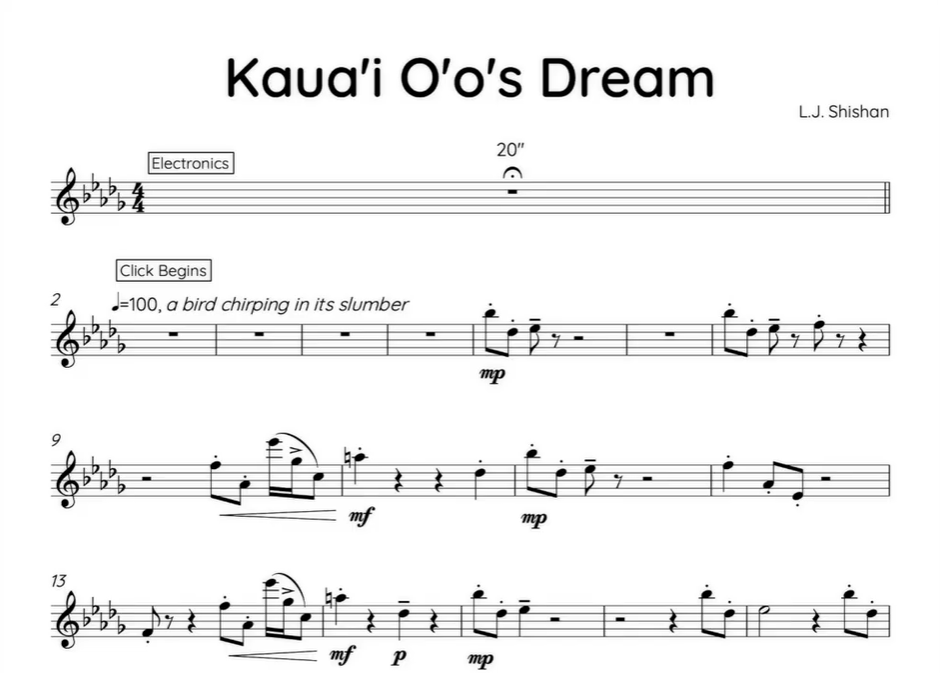
Recorded Kauaʻi ʻōʻō bird song, flute, and electronic synthesizer. Orlando, FL. Division II: 19–22 Years Old.
My composition for solo flute and electronic media is inspired by the last recording of the song of the Hawaiian Kauaʻi ʻŌʻō bird, captured one year before the species was declared extinct. Several catalysts contributed to the extinction, including habitat loss, avian disease caused by mosquito overpopulation, and invasive predators introduced on white settler boats as they arrived in Hawaiʻi.
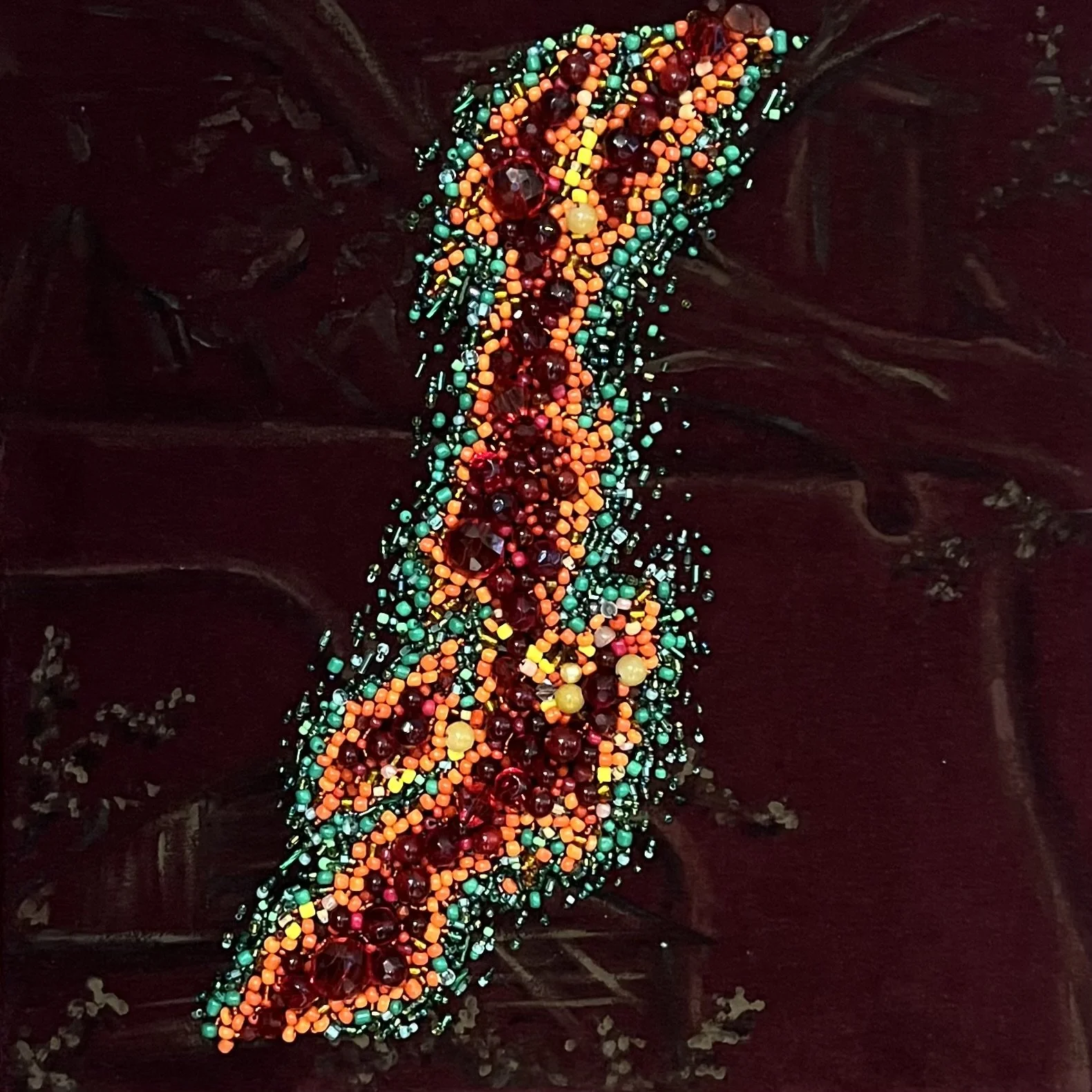
Repurposed canvas, velvet, acrylic, beads. Tallahassee, FL. Division II: 19–22 Years Old.
I made this piece in reflection of the tornados that hit my hometown of Tallahassee, Florida, on May 10th, 2024. The changing ocean temperatures that lead to high pressure air systems have been leading to more tornados, hurricanes, and other extreme weather events.